Both models can work. The important difference is how many interfaces the homeowner must coordinate and who owns the handoffs between design, civil work, services and finishes.
Real project imagery for context.
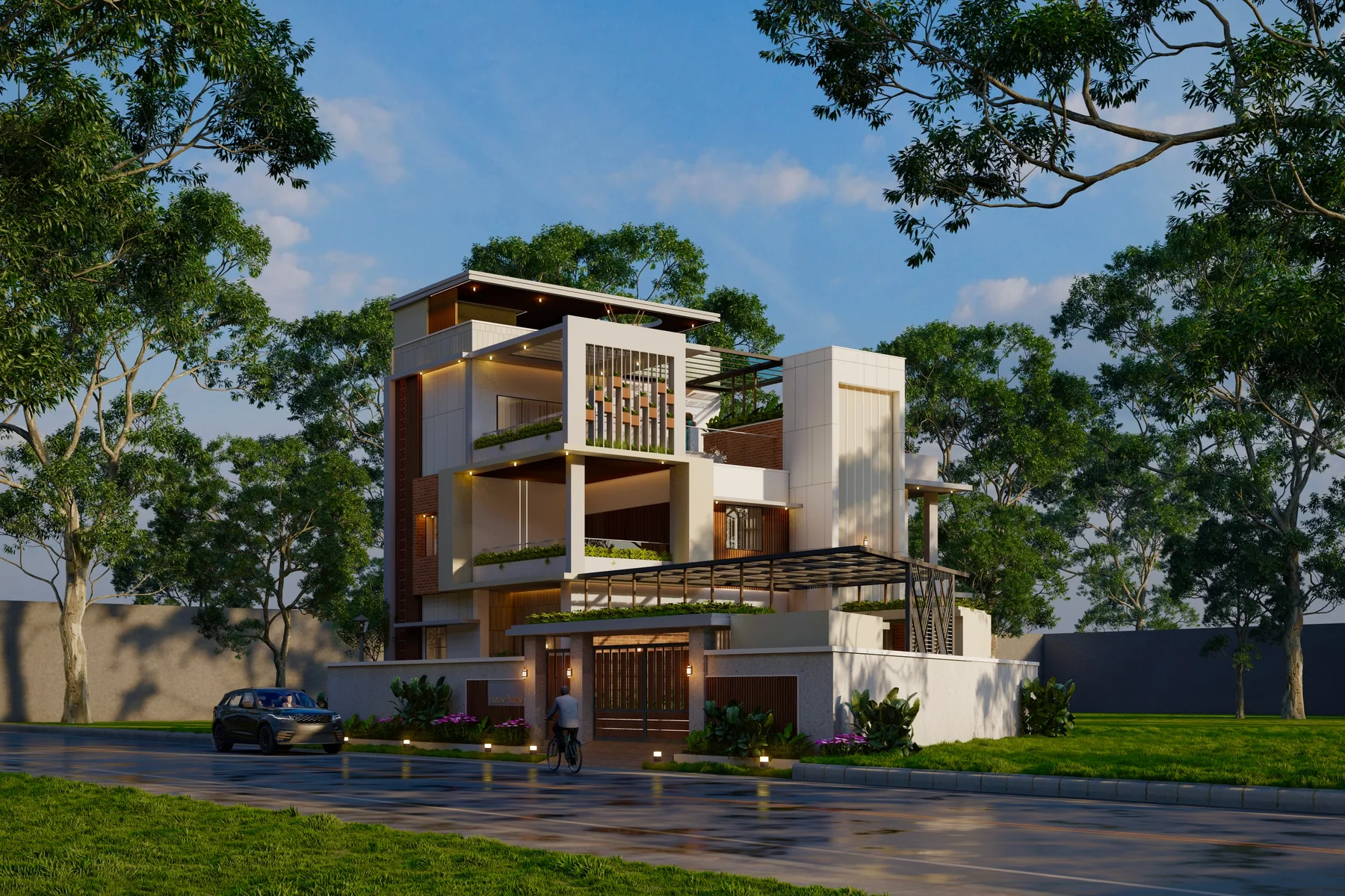
These images come from the current KAINOS project library and are included to show the visual language of residential, commercial and design-stage work.

THE SEPARATE-CONTRACTOR MODEL
You may appoint one team for structure, another for electrical work, another for plumbing, and different vendors for windows, kitchen and interiors. This can provide flexibility, but it creates more coordination points.
THE TURNKEY MODEL
A turnkey arrangement usually places a wider portion of the execution scope with one party. The benefit is not that every decision disappears; rather, the interfaces between activities can have a clearer owner.
WHERE TURNKEY HELPS
Turnkey can be attractive when the homeowner wants one project conversation, a coordinated programme and a clearer responsibility map. It can also make design-to-build transitions easier when the same team manages both.
WHERE YOU STILL NEED TO BE INVOLVED
Even on a turnkey project, homeowners need to approve design decisions, finishes, changes, budgets and key milestones. “Turnkey” should not be confused with “zero decisions”.
THE RIGHT QUESTION
Ask: “Who is responsible if one trade delays another?” That question often reveals more about a construction model than the label itself.
Use the guide with your actual project documents.
Online guidance can help you ask better questions, but the final construction scope should be based on the actual plot, drawings, engineering requirements, selections and project-specific BOQ.